India’s villages are the backbone of the nation, contributing significantly to agriculture, culture, traditional crafts, and local economies. Despite their immense potential, many rural communities continue to face challenges such as unemployment, limited educational opportunities, inadequate infrastructure, and environmental degradation.
Sustainable rural development is not just about improving living conditions; it is about creating opportunities that enable communities to become self-reliant and economically resilient. At Selli Green Foundation, rural development is driven by community participation, skill enhancement, environmental sustainability, and inclusive growth. The foundation works to empower rural communities through livelihood programs, women empowerment initiatives, artisan support, sustainable agriculture, and infrastructure development.
Why Rural Development Matters
More than half of India’s population resides in rural areas. When villages thrive, the entire nation benefits through stronger local economies, reduced migration, improved living standards, and environmental sustainability.
Effective rural development helps:
- Generate employment opportunities
- Improve access to education and healthcare
- Strengthen local economies
- Empower women and youth
- Preserve traditional skills and crafts
- Promote sustainable environmental practices
Creating sustainable opportunities within villages allows people to build successful futures without leaving their communities.
Livelihood and Skill Development: Creating Economic Independence
One of the most effective ways to transform rural communities is through skill development. Providing practical training enables individuals to generate income, start businesses, and improve their quality of life.
Skill development programs can include:
- Bamboo craft production
- Palm leaf product manufacturing
- Tailoring and handicrafts
- Organic farming techniques
- Entrepreneurship training
- Financial literacy education
These initiatives help rural youth and women become financially independent while strengthening local economies. Skill-based livelihoods create long-term economic sustainability rather than temporary assistance.
Supporting Rural Artisans and Traditional Crafts
India’s villages are home to highly skilled artisans who preserve centuries-old craftsmanship traditions. However, many artisans struggle to access modern markets and receive fair compensation for their work.
Supporting rural artisans involves:
- Product development and innovation
- Branding and marketing assistance
- Market access programs
- Digital selling opportunities
- Fair trade practices
By connecting artisans with broader markets, traditional crafts such as bamboo and palm-based products can generate sustainable income while preserving cultural heritage.
Women Empowerment as a Driver of Rural Progress
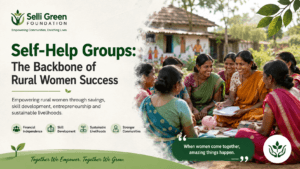
Women play a vital role in community development. Empowering women through education, skill training, and entrepreneurship creates positive changes that extend to families and entire communities.
Key women empowerment initiatives include:
- Self-help group formation
- Vocational training programs
- Financial literacy workshops
- Market linkage support
- Leadership development opportunities
When women gain economic independence and decision-making power, communities become stronger, healthier, and more resilient.
Promoting Sustainable Agriculture and Eco-Friendly Practices
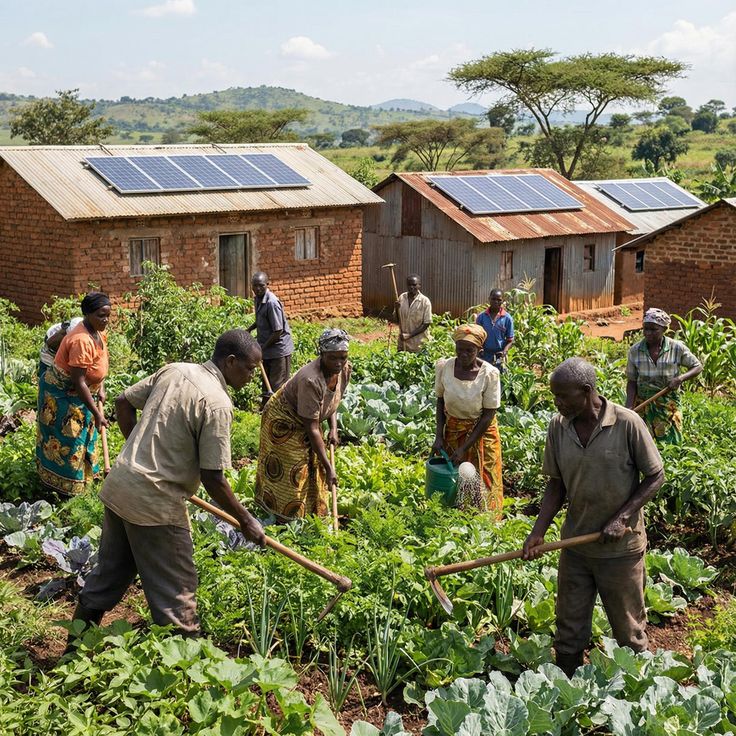
Agriculture remains a primary source of livelihood in rural India. Sustainable farming practices help improve productivity while protecting natural resources for future generations.
Important sustainable agricultural practices include:
- Organic farming
- Water conservation techniques
- Natural composting
- Bamboo cultivation
- Palm-based sustainable alternatives
- Soil health improvement programs
Promoting environmentally responsible practices not only benefits farmers but also contributes to climate resilience and ecological conservation.
Infrastructure Development for Better Living Standards
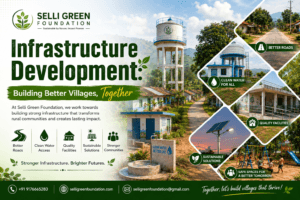
Basic infrastructure is essential for improving the quality of life in rural communities. Access to clean water, sanitation, renewable energy, and education facilities creates healthier and safer environments.
Infrastructure development initiatives may include:
- Clean drinking water systems
- Toilet construction
- Solar lighting projects
- School improvements
- Community centers
- Waste management solutions
Such improvements create long-term benefits and support overall community development.
Building Eco-Friendly Villages for the Future
The concept of eco-villages combines sustainability, innovation, and community participation. These model villages demonstrate how environmental conservation and economic development can work together.
Eco-village initiatives focus on:
- Solar energy adoption
- Water conservation
- Waste management systems
- Green entrepreneurship
- Sustainable tourism
- Community-led environmental protection
These projects create scalable solutions that can be replicated across rural regions.
How Communities Can Create Lasting Change
Successful rural development requires collaboration between local communities, non-profit organizations, government agencies, businesses, and volunteers. Sustainable change occurs when communities actively participate in planning and implementing development initiatives.
Individuals can contribute by:
- Supporting rural artisans
- Volunteering for community projects
- Donating to rural development programs
- Promoting eco-friendly products
- Raising awareness about sustainable living
Collective action can transform villages into thriving centers of opportunity and innovation.
Conclusion
Rural development is about empowering people with the tools, skills, and opportunities they need to create better futures. Through livelihood training, artisan support, women empowerment, sustainable agriculture, infrastructure development, and eco-friendly initiatives, rural communities can become self-reliant and resilient. Organizations like Selli Green Foundation are working to bridge the gap between rural potential and opportunity by promoting sustainable development that benefits both people and the environment. Together, we can create stronger villages, healthier communities, and a more sustainable future for generations to come