India’s villages are the heart of its cultural richness, agricultural strength, and traditional craftsmanship. Yet, despite their immense potential, many rural communities continue to struggle with poverty, unemployment, lack of quality education, and environmental challenges. Sustainable development has emerged as a powerful solution to uplift these communities while protecting the natural resources they depend on. Organizations working at the grassroots level are planting the “seeds of change” that are helping rural India move towards a brighter, greener, and more self-reliant future.
Understanding the Need for Sustainable Rural Development
Rural development is more than infrastructure projects or short-term financial support. It is about creating long-lasting opportunities that empower individuals and communities to grow independently. Many families in villages face limited access to healthcare, education, and employment, which affects their quality of life and future prospects.
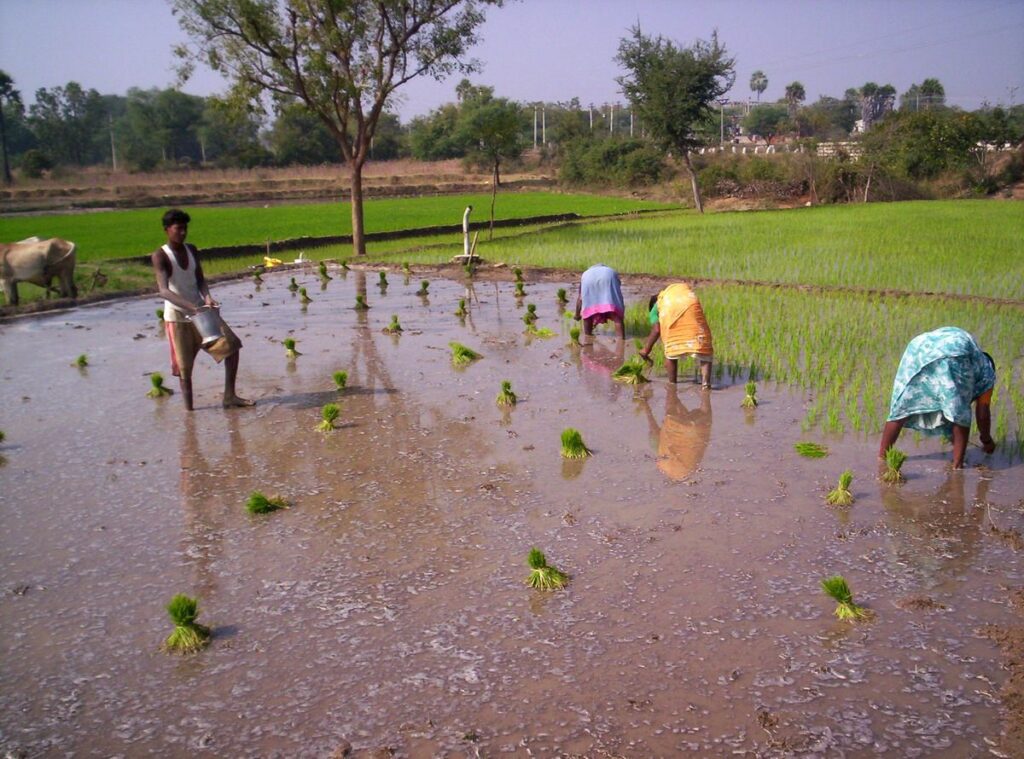
A sustainable approach focuses on building skills, promoting eco-friendly livelihoods, and encouraging responsible use of natural resources. By supporting initiatives like organic farming, bamboo and palm-based handicrafts, and small-scale entrepreneurship, rural communities can achieve economic stability without harming the environment. This balanced model of growth ensures that development benefits both people and the planet.
Education – The Foundation of Lasting Change
Education plays a transformative role in rural progress. In many underserved areas, children are forced to drop out of school due to financial constraints, lack of learning support, or social challenges. Bridge learning and remedial education programs help these children overcome learning gaps and return to mainstream education with confidence.
By strengthening foundational skills such as reading, writing, and arithmetic, these programs prepare students for long-term academic success. Education also fosters awareness about environmental conservation, hygiene, and social responsibility. When children gain access to quality education, they are better equipped to break the cycle of poverty and contribute positively to their communities.
Empowering Women and Youth for Community Growth
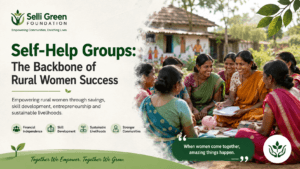
Women empowerment is one of the most impactful drivers of sustainable rural development. When women receive vocational training and income-generating opportunities, they become active contributors to household stability and community progress. Skill development initiatives such as tailoring, handicraft production, organic farming, and small business management enable women to achieve financial independence.
Similarly, engaging rural youth through training programs and entrepreneurship support creates a new generation of leaders who can bring innovation to their villages. Empowered youth are more likely to adopt sustainable practices, participate in social initiatives, and inspire others to work towards community development.
Promoting Environmental Awareness and Green Living
Environmental sustainability is closely linked to rural livelihoods. Natural resources such as soil, water, forests, and biodiversity are essential for agriculture and traditional crafts. Awareness campaigns on plastic reduction, waste management, water conservation, and renewable energy help communities understand the importance of protecting their environment.
Encouraging eco-friendly products and sustainable agriculture not only reduces environmental damage but also creates new market opportunities for rural artisans and farmers. By connecting traditional knowledge with modern markets, communities can preserve their cultural heritage while improving their economic well-being.
Building Self-Reliant and Resilient Villages
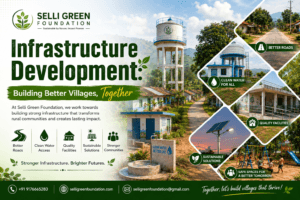
Holistic rural development involves improving access to basic necessities such as clean drinking water, sanitation facilities, healthcare services, and better school infrastructure. Community-driven initiatives ensure that development programs are inclusive and address real needs.
The concept of self-reliant villages focuses on strengthening local resources and leadership. When communities actively participate in decision-making and project implementation, they develop a sense of ownership and responsibility. This participatory approach leads to long-term sustainability and resilience against social and economic challenges.
The Role of Collective Action in Creating Change
Sustainable rural development is not the responsibility of one organization or government alone. It requires the support of individuals, volunteers, corporates, and institutions. Donations, awareness campaigns, skill-sharing initiatives, and responsible consumer choices all contribute to building stronger rural communities.
Every small action can make a meaningful difference. Supporting eco-friendly products, promoting education, volunteering for social causes, or contributing to rural development programs helps create a ripple effect of positive change. Together, we can bridge the gap between urban opportunities and rural realities.
A Greener and Inclusive Future for Rural India
The journey towards sustainable development is a gradual but powerful process. By investing in education, empowering women and youth, promoting green livelihoods, and encouraging community participation, rural India can transform into a hub of innovation, resilience, and environmental responsibility.
The seeds of change are already being planted. With continued support and collective commitment, these seeds will grow into strong foundations for a sustainable and inclusive future. When villages thrive, the nation prospers — and together, we can build a world where development and sustainability go hand in hand.