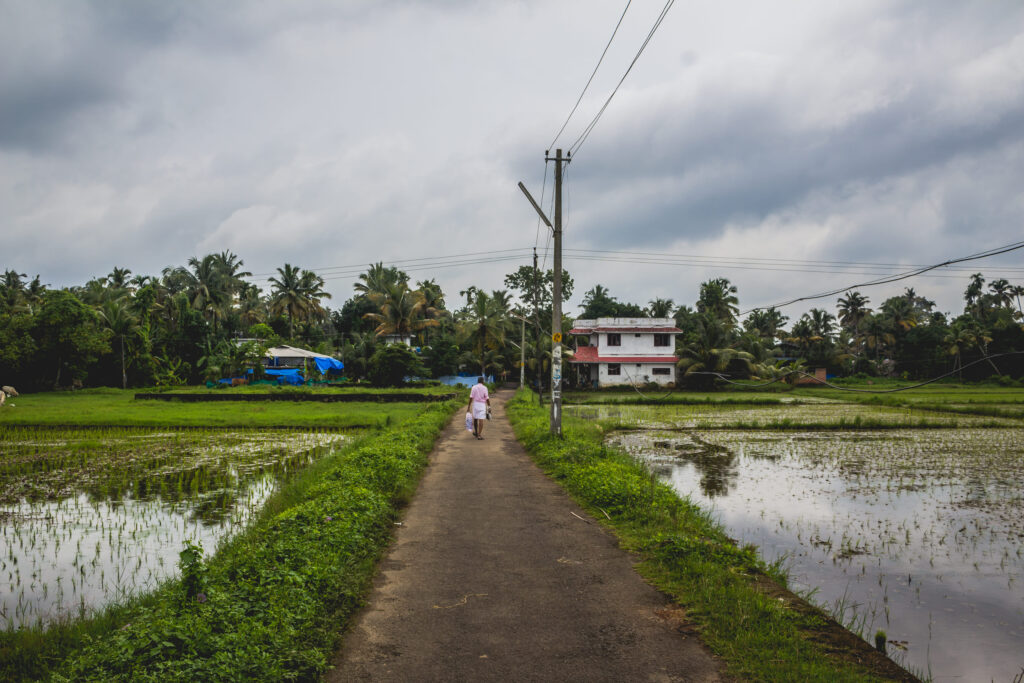
India is often called a land of villages, and to be honest, that’s where its heart is beating. Been to one recently? You’ll notice the wide open fields, the down-to-earth lifestyle, and people who toil away every single day with no expectation of a life of luxury. There’s something super authentic about village life.
But let’s not be fooled – it’s not all sunshine and rainbows outside of the tourist brochures. Lots of people in rural India are still struggling to get by – making ends meet, finding a steady job, or even just getting their hands on a good education. And to make matters worse, environmental issues just add to the headache. It ain’t all easy, and that’s the harsh reality.
Now though, things aren’t quite as stuck as all that.
Lately, we’ve seen a turnaround. There’s more attention being paid to actually making a real difference in village life. Efforts are underway to teach the skills that’ll really help – from running a small business to getting a decent education. And slowly but surely, awareness about looking after the environment is starting to spread. These are gradual changes, but they’re changes nonetheless.
You can even see it in small, everyday ways – people gaining more confidence, taking risks, and starting to build a better life for themselves and their families.
At the end of the day, it all comes down to one pretty simple thing: when villages start to move forward, the whole country starts to move forward too. That’s just how the wheel turns.
Understanding the Importance of Rural Development
Rural development is not just about infrastructure or financial support. It is about creating opportunities that help people improve their quality of life. When rural communities receive access to education, healthcare, skill training, and eco-friendly employment opportunities, they become capable of shaping their own future.
Sustainable development ensures that progress does not harm the environment. It promotes responsible use of natural resources, supports local artisans, and encourages green entrepreneurship. This balanced approach helps villages grow economically while preserving nature for future generations.
Education as a Foundation for Change
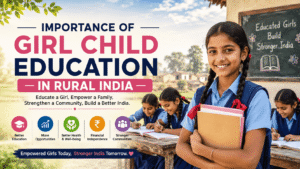
Education is one of the most powerful tools to break the cycle of poverty. Many rural children lack access to quality learning facilities, digital resources, and career guidance. Supporting rural education programs helps students gain confidence, improve skills, and build brighter futures.
Skill-based learning, digital literacy initiatives, and scholarship programs enable young people to explore employment opportunities beyond traditional limitations. Educated youth become change-makers who uplift their families and communities.
Women Empowerment – A Catalyst for Progress in Rural Areas
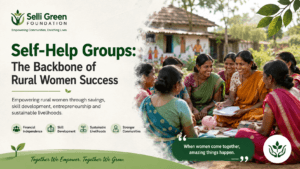
Empowering women often ends up making families and communities a whole lot stronger – if you know what I mean. When women out in the sticks get some vocational training, a crash course in finance, and some support for starting their own business, they start chipping in with the household income and suddenly they’re the ones calling the shots.
You see, self-help groups and programmes to help folks get on their feet enable women to start small operations like making handicrafts, sewing clothes, farming organically, or making all sorts of eco-friendly knick knacks. Not only does it make them a lot less financially stressed but it also gives them a new found confidence to stand up for themselves and maybe even take on a leadership role.
Getting People Working Sustainably
Handmade crafts and eco-friendly products are going to be really big in the years to come and there’s a real need for people making these things to be able to make a living out of it. We are starting to see loads of interest in bamboo- made items, palm leaf crafts, farming the natural way, and all sorts of handmade goodness made by people who care.
By hooking up local craftspeople with big city buyers of eco-friendly stuff we are genuinely making people jobs while also making sure that our cultural heritage gets passed on & not lost in the process. These sorts of programmes also help people go plastic-free and start living in a way that doesn’t damage the planet.
Building Eco-Friendly and Self-Reliant Villages
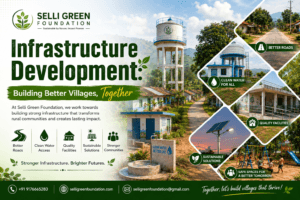
The vision of sustainable rural development includes creating climate-resilient villages through renewable energy, waste management, water conservation, and green entrepreneurship.
Tree plantation drives, clean water initiatives, and awareness campaigns help communities adopt environmentally responsible practices. Over time, these efforts lead to healthier living conditions and stronger local economies.
Making A Difference Where It Counts – Helping Villages Get Back On Their Feet
Transforming villages in to thriving sustainable communities isn’t a task for one – its something that needs all of us working together. There are lots of ways we can help:
- Shop from local artisans who are making a real difference
- Give a hand to education initiatives that can make a real difference to people’s lives
- Roll up your sleeves and get involved with community projects that are making a real difference
- Share the word, and help spread the importance of looking after our planet
Every little bit counts and by working together we can build a future where our villages are thriving with new life, new ideas, and harmony with the environment.
Conclusion – We Can Build A Better Future – One Village At A Time
When villages start to flourish, the whole country prospers. Sustainable development initiatives are a powerful tool that lets communities gain the knowledge, skills & opportunities to turn their lives around.
By getting behind education for all, helping to empower women, and creating green jobs and livelihoods, we can create a brighter future for rural India – one that is greener and more inclusive – and we can turn rural challenges into success stories that inspire hope and resilience.