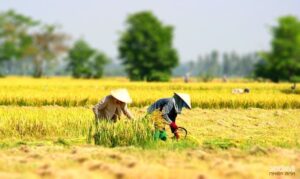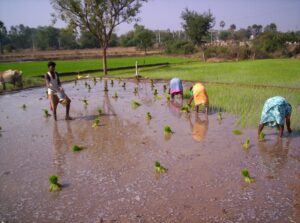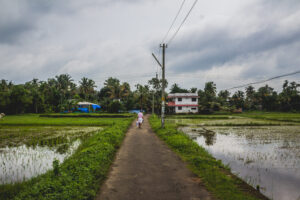
In the vast and vibrant landscape of India, rural communities form the backbone of the nation’s cultural heritage and economic strength. Villages are places where traditions are preserved, relationships are valued, and nature is respected. However, despite their importance, many rural regions continue to face challenges such as poverty, unemployment, lack of access to quality education, environmental degradation, and limited opportunities for growth.
For many families, daily life is a struggle to secure basic needs while dreaming of a better future for their children. Migration to cities has become a common reality as rural youth search for jobs and improved living conditions. Yet, leaving behind their roots often comes at the cost of losing cultural identity and community bonds.
This is where organizations like Selli Green Foundation play a crucial role. With a mission to create sustainable and inclusive development, the foundation is working to empower rural communities through education, livelihood support, and environmental awareness. By focusing on long-term solutions rather than short-term aid, the foundation is helping villages rediscover hope, resilience, and self-reliance.
Education: Unlocking the Door to Opportunity
Education is one of the most powerful tools for transforming lives. In rural areas, children often face barriers such as inadequate school infrastructure, lack of digital learning resources, and financial limitations. These challenges can prevent them from achieving their full potential.
Selli Green Foundation believes that every child deserves access to quality education and equal opportunities. Through educational support programs, awareness initiatives, and digital literacy efforts, the foundation is helping students build confidence and skills necessary for the modern world.
Providing access to books, learning materials, and technology can change the course of a child’s life. When rural students are encouraged to dream bigger and supported in their academic journey, they become future leaders who can contribute positively to society.
Empowering Women for Stronger Communities
Women play a central role in shaping rural households and communities. However, many rural women face social and economic challenges that limit their independence. Empowering women through skill development and livelihood opportunities is essential for sustainable development.
Training programs in areas such as tailoring, handicrafts, organic farming, and small-scale entrepreneurship enable women to generate income and support their families. By forming self-help groups and cooperative networks, rural women gain financial stability, confidence, and leadership skills.
When women are empowered, the benefits extend beyond individual families. Entire communities experience improved health, education, and social harmony. Women become agents of change, inspiring others to pursue opportunities and build better futures.
Promoting Sustainable Livelihoods
Sustainable livelihood initiatives focus on creating income opportunities that respect both people and nature. Rural communities have traditional knowledge and skills that can be transformed into modern economic opportunities.
Encouraging the production and use of eco-friendly products such as bamboo crafts, palm leaf items, and natural materials not only reduces environmental impact but also preserves cultural heritage. These initiatives support local artisans and farmers while promoting responsible consumption.
By connecting rural producers to broader markets, social organizations help ensure fair income and long-term financial security. Sustainable livelihoods reduce dependency on migration and strengthen local economies.
Environmental Awareness and Green Initiatives
Environmental sustainability is critical for the well-being of rural communities. Climate change, deforestation, and pollution can significantly affect agriculture, water availability, and overall quality of life.
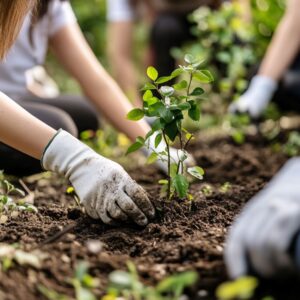
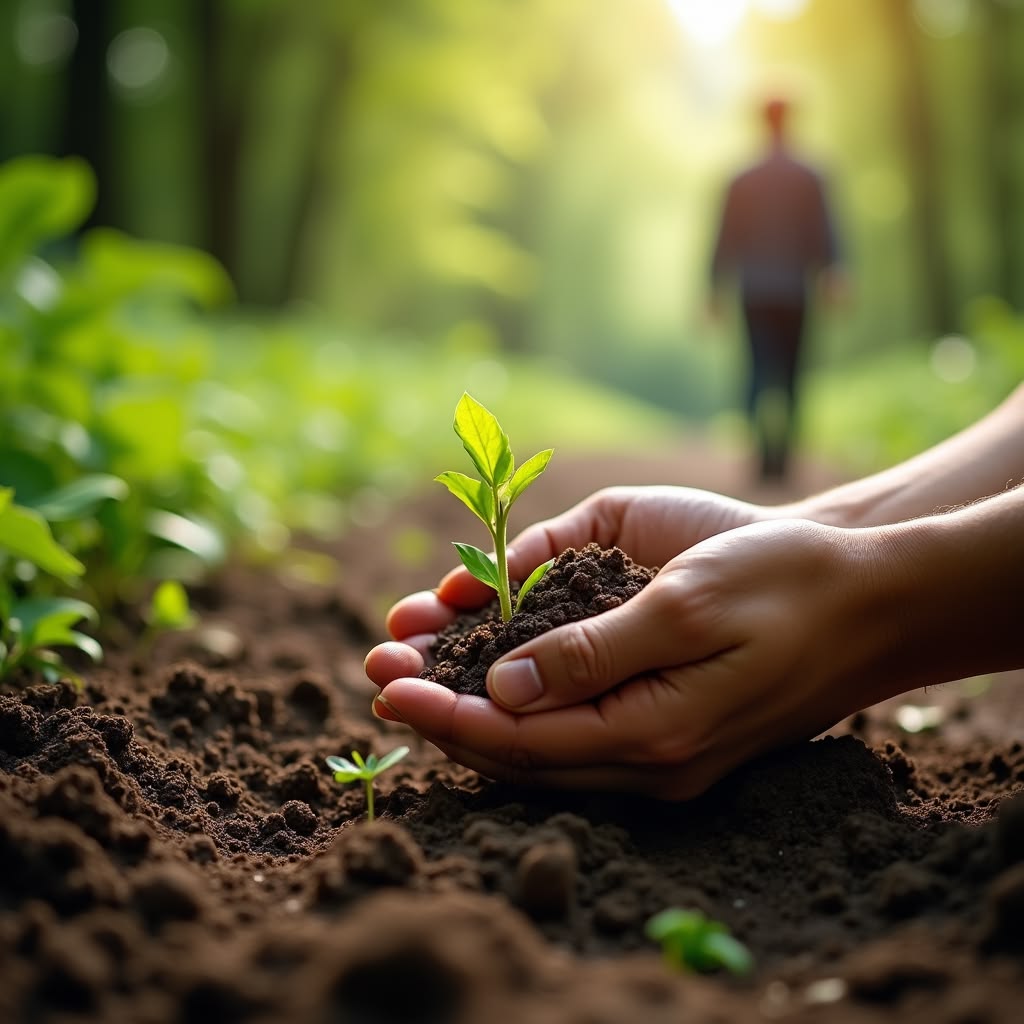
Through tree plantation drives, plastic reduction campaigns, water conservation programs, and awareness workshops, communities are encouraged to adopt eco-friendly practices. Renewable energy solutions such as solar lighting can improve living conditions while reducing environmental harm.
When villages become greener and more sustainable, they also become healthier and more resilient to future challenges. Protecting nature ensures that future generations can continue to thrive in harmony with the environment.
Community Participation and Collective Growth
Sustainable development is most effective when communities actively participate in the process. Volunteers, donors, local leaders, and social organizations must work together to create meaningful change.
Community-driven initiatives foster a sense of ownership and responsibility among villagers. When people contribute their ideas and efforts, development becomes more inclusive and impactful.
Supporting rural initiatives is not just about financial contributions — it is about building relationships, sharing knowledge, and inspiring hope. Every small step taken towards empowerment and sustainability helps shape a brighter future.
Conclusion
Transforming rural lives is a journey that requires patience, compassion, and commitment. Through education, women empowerment, sustainable livelihoods, and environmental initiatives, organizations like Selli Green Foundation are lighting the path of hope for countless families.
Each child who gains access to education, each woman who achieves financial independence, and each village that adopts eco-friendly practices represents a step towards national progress.
By supporting sustainable rural development, we can create a world where opportunities are not limited by geography. Together, we can ensure that every village thrives with dignity, resilience, and hope.
Because when rural communities grow stronger, the entire nation moves forward towards a sustainable and inclusive future.