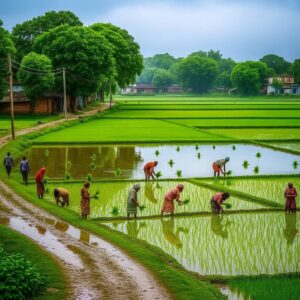
If you visit any rural village in Tamil Nadu, you’ll notice something special — people may not always have job opportunities, but they do have skills.
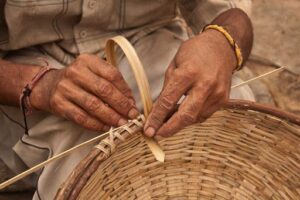
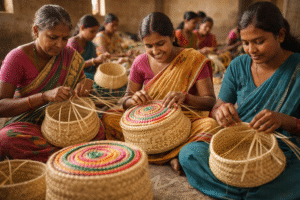
From weaving palm leaf baskets to crafting bamboo products, many families carry forward traditional knowledge that has been passed down for generations. These skills are not just cultural — they have the potential to become a source of income. But sadly, due to lack of proper training and market access, most of these talents remain unused.
As a result, many young people leave their villages and move to cities in search of work, often taking up low-paying jobs just to support their families.
At Selli Green Foundation, we believe people shouldn’t have to leave their homes to earn a livelihood. With the right training and support, rural communities can build a stable future right where they are.
Why Skill Development is Important for Rural Communities
One common question we hear from rural youth is:
“We are ready to work, but what can we do here?”
The problem is not willingness — it’s the lack of guidance and training.
Skill-based livelihood programs help rural individuals:
- Find work within their own communities
- Start small home-based businesses
- Earn regular income
- Avoid migrating to cities
- Preserve traditional crafts
- Support their families with dignity
When people are trained in practical, income-generating skills, they no longer depend on seasonal labour or uncertain job opportunities
Promoting Sustainable Livelihood Opportunities
Our livelihood programs focus on something more than just income — sustainability.
We work closely with rural artisans and provide training in:
- Bamboo craft making
- Palm leaf product manufacturing
- Eco-friendly tailoring
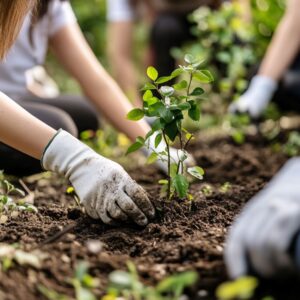
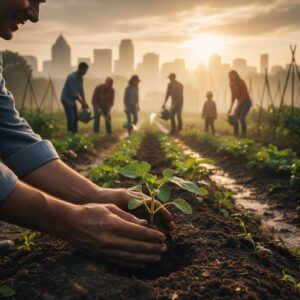
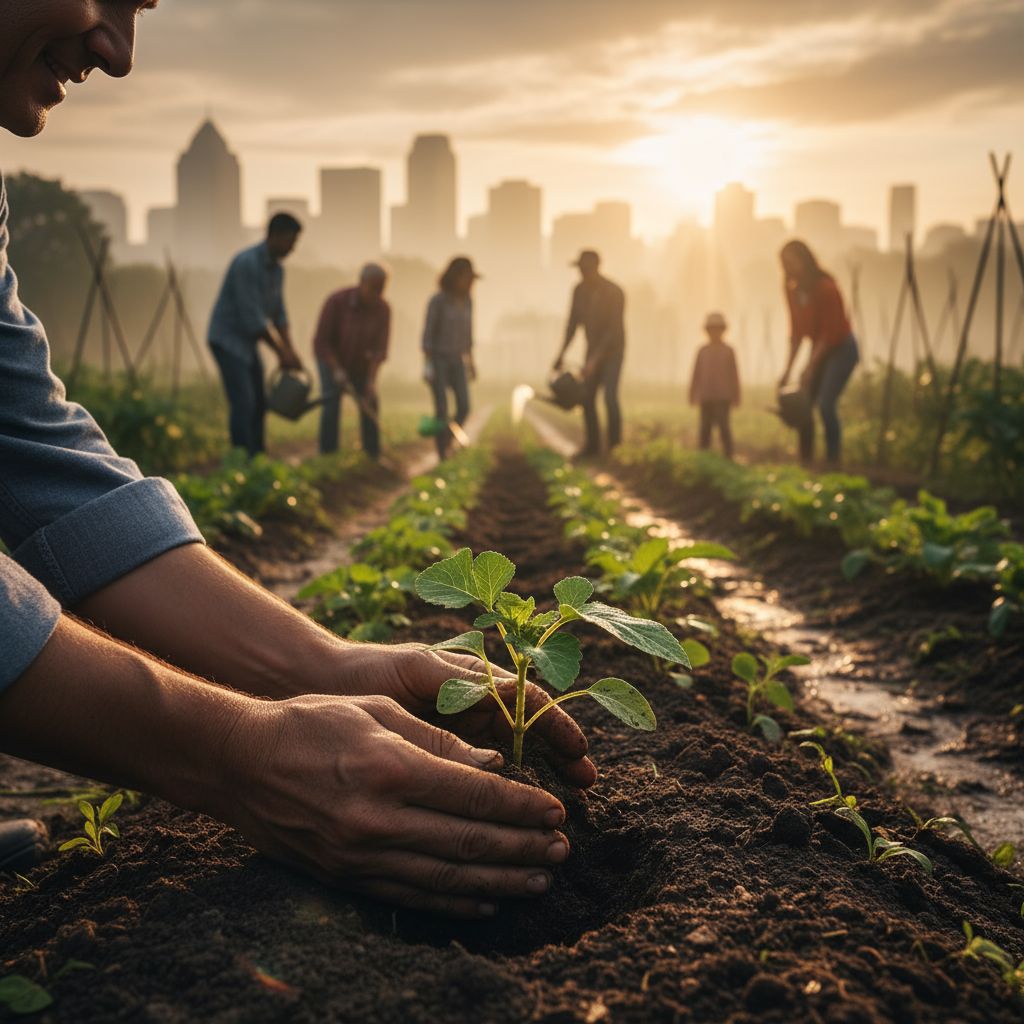
- Organic farming practices
- Handcrafted sustainable product development
These products are biodegradable and act as alternatives to plastic items used in daily life.
What makes this initiative even more impactful is that many of these handmade products are sold through your Sellibuy eco-commerce platform. This helps rural artisans reach customers beyond their villages and earn fair income for their work.
Empowering Women Through Skill Training
In many villages, women have the talent but lack opportunities.
When women are given access to skill training, the change is immediate — not just for them, but for their families too.
Through Self-Help Groups (SHGs) and training sessions, rural women begin to:
- Earn their own income
- Gain confidence
- Learn basic business skills
- Participate in family decisions
- Improve their children’s education and living standards
Over time, these women become role models in their communities and inspire others to follow the same path.
Encouraging Rural Entrepreneurship
Skill development is not just about employment — it’s also about creating entrepreneurs.
With proper support, rural individuals can:
- Start small-scale businesses from home
- Learn how to manage money
- Market their handmade products
- Sell through digital platforms
- Connect with eco-conscious customers
By combining traditional craftsmanship with modern marketing support, Selli Green Foundation helps artisans move beyond local markets and connect with a larger audience through platforms like Sellibuy.
Building Self-Reliant Villages
Our long-term goal is simple:
To create villages where people can earn a stable income without having to leave their homes.
When this happens, we see real change:
- Families live with better financial security
- Children continue their education
- Poverty levels reduce
- Environmental awareness increases
- Communities grow in a sustainable way
Self-reliant villages are the foundation of a stronger nation.
Conclusion
Empowering villages through skill-based livelihood programs is one of the most practical ways to support sustainable rural development.
By training individuals in eco-friendly crafts, encouraging women entrepreneurs, and connecting rural artisans to online marketplaces, Selli Green Foundation is helping communities create stable income opportunities for the future.
With continuous support and participation from local communities, we are slowly but surely moving towards a greener and more self-sufficient rural India.