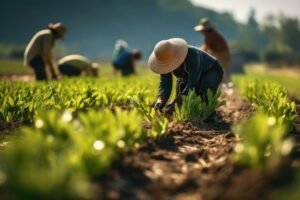
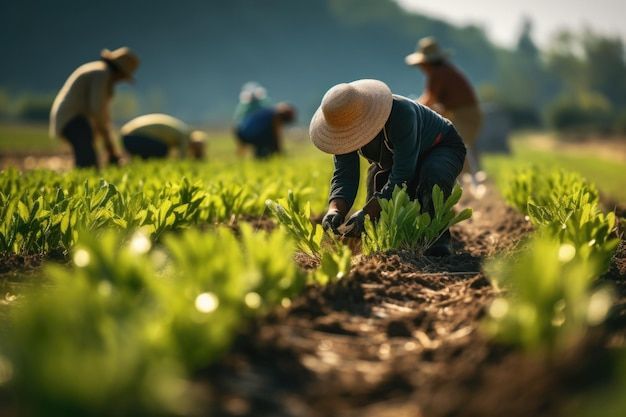
If you have ever spent time in a village, you probably know how closely people’s lives are connected to nature. Early mornings often begin with farmers heading to their fields, birds flying across the sky, and the gentle rustling of trees in the breeze.
For rural communities, nature is not just something beautiful to look at. It is their source of food, water, and livelihood. The soil grows crops, trees provide shade and resources, and rivers or wells supply water for daily life.
But in recent years, many people have begun to notice small changes around them. Plastic waste is appearing in areas where it was rarely seen before. Some rivers are not as clean as they once were. In certain regions, forests are slowly disappearing.
At first, these changes may seem minor. However, over time they begin to affect farming, water quality, and the health of the environment.
This is why environmental awareness and community involvement are becoming increasingly important. When communities understand the challenges facing the environment, they are more likely to take steps to protect it.
Organizations like Selli Green Foundation are working with local communities to promote sustainable living, environmental education, and rural development programs that help protect both people and nature.
Why Environmental Awareness Matters
In many cases, environmental problems are not caused intentionally. Often, they happen simply because people are unaware of how certain actions affect nature in the long run.
For example, a plastic bag may only be used for a short time, but it can remain in the environment for many years. When waste is thrown into open areas or near water sources, it can spread into soil and rivers, affecting plants, animals, and people.
Environmental awareness programs help communities understand:
- How plastic pollution affects land and water
- Why protecting forests and natural resources is important
- Ways to manage waste responsibly
- Sustainable farming practices that protect the soil
Once people become aware of these issues, they often begin making small but meaningful changes in their daily lives.
Promoting Eco-Friendly Alternatives
One practical way to reduce environmental damage is by encouraging the use of eco-friendly alternatives.
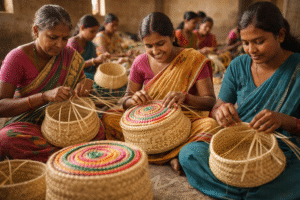
In earlier times, many household items were made using natural materials such as bamboo, palm leaves, and clay. These materials were biodegradable and widely available in rural areas.
Today, many communities are rediscovering the value of these traditional resources.
Eco-friendly products can:
- Reduce plastic waste
- Support local artisans and traditional crafts
- Encourage responsible consumption
- Help protect natural ecosystems
By choosing sustainable products, people are not only helping the environment but also supporting rural livelihoods.
The Role of Education in Environmental Protection
Education plays an important role in shaping how future generations interact with the environment.
When children learn about nature and sustainability at a young age, they are more likely to grow up with a sense of responsibility toward the planet.
Environmental education programs often include activities such as:
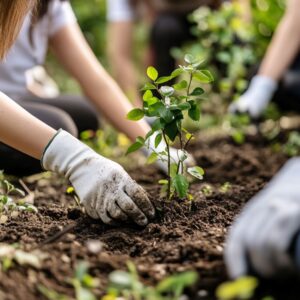
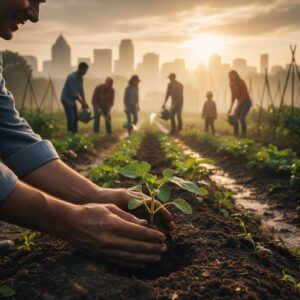
- Tree planting campaigns
- School awareness sessions
- Community clean-up drives
- Workshops on sustainable living
These activities allow students and communities to actively participate in protecting their environment rather than just hearing about it.
Empowering Communities for Lasting Change
Real and lasting change often begins at the community level.
When people are given the knowledge, resources, and opportunities to improve their surroundings, they become active participants in creating solutions.
Community initiatives can help individuals:
- Start eco-friendly businesses
- Protect nearby forests and water sources
- Practice sustainable agriculture
- Build livelihoods that do not harm the environment
When communities feel connected to their environment, they naturally work toward preserving it for future generations.
Small Actions That Make a Big Difference
Many people think protecting the environment requires large-scale projects. While these efforts are important, small everyday actions can also make a meaningful difference.
Anyone can contribute by:
- Using less plastic
- Planting trees in their communities
- Supporting eco-friendly products
- Participating in local environmental activities
When many people make these small changes together, the impact can be significant.
Conclusion
The Earth provides everything we need to live, from clean air and water to fertile soil and natural resources. Protecting it is a responsibility shared by all of us.
Creating a greener future does not happen overnight. It requires awareness, cooperation, and consistent effort from individuals, communities, and organizations.
Through initiatives that promote sustainability and community development, organizations like Selli Green Foundation are helping communities take steps toward a healthier and more sustainable future.
And sometimes, those small steps can lead to meaningful change.