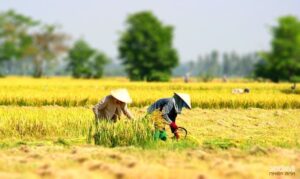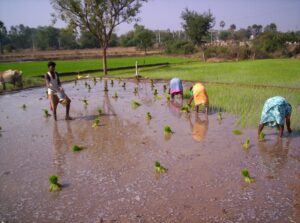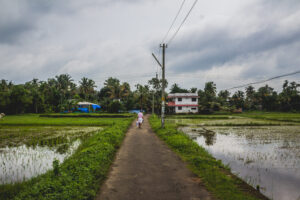
If you ever visit a village early in the morning, you will notice something very special. Life starts before the sun rises. Farmers walk towards their fields with quiet determination. Children get ready for school with simple hopes in their hearts. Women begin their day managing homes, supporting families, and often contributing to the local economy in ways that go unnoticed.
Rural India is full of strength and beauty. At the same time, it also faces challenges that many people living in cities may never truly understand. Access to good education is still limited in many places. Job opportunities are not always stable. Environmental changes are making agriculture more difficult than before.
Even with these struggles, rural communities continue to move forward with courage. What they need most is not sympathy, but meaningful support and sustainable opportunities.
Education Brings Confidence and Direction
In villages, education is more than just attending school. It is a pathway to confidence and self-respect. Many children are eager to learn, but they often lack proper learning materials, digital access, or career guidance.
When educational support reaches these communities, the change is visible. A student who once felt unsure about their future begins to dream bigger. Parents start believing that their children can achieve something more. Over time, educated youth bring new ideas, leadership, and development to their own villages.
This is how real transformation begins — slowly, but powerfully.
Sustainability Supports Both Nature and Livelihoods
Rural life is deeply connected to the environment. Farming, traditional crafts, and everyday living depend on healthy natural resources. However, issues like climate change, plastic waste, and soil damage are affecting village ecosystems.
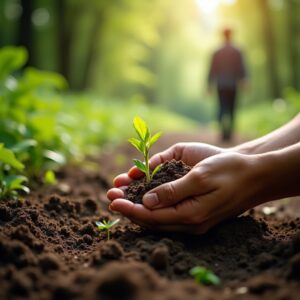
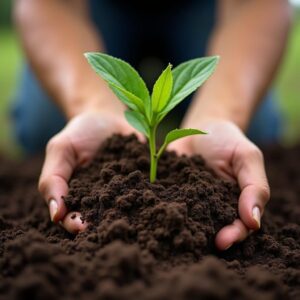
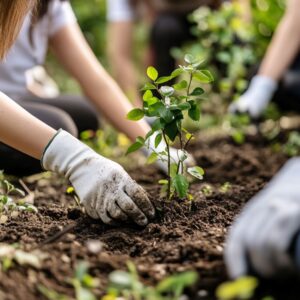
Encouraging sustainable practices such as tree planting, natural farming methods, and the use of eco-friendly products can make a lasting difference. These initiatives not only protect nature but also help create stable income opportunities for rural artisans and farmers.
When sustainability becomes part of community life, development becomes more balanced and long-term.
Empowering Women Strengthens Entire Communities
Women in rural areas carry immense responsibility. They support families, contribute to agriculture, and preserve traditional skills. Yet many of them do not receive the recognition or opportunities they deserve.
Skill training programs, self-help groups, and livelihood support can change this situation. When women gain financial independence, they also gain confidence and decision-making power. Families become stronger. Children receive better care and education. Communities become more progressive.
Empowering women is one of the most meaningful ways to bring sustainable social change.
Working Together to Overcome Challenges
Rural development is not something that can be achieved overnight. It requires consistent effort, collaboration, and community participation. Challenges such as lack of infrastructure, limited healthcare access, digital inequality, and market barriers for rural products still need attention.
Government initiatives, NGOs, volunteers, donors, and responsible citizens all have an important role to play. When people come together with a shared vision, even the most difficult problems can find solutions.
Moving Forward with Hope
Positive change often begins with small steps. Supporting a child’s education, planting a tree, encouraging eco-friendly livelihoods, or volunteering time can create a ripple effect that benefits entire communities.
Sustainable rural development is not only about economic improvement. It is about restoring dignity, building confidence, and creating opportunities for people to live with pride.
The future of India is closely connected to the progress of its villages. By focusing on education, sustainability, and empowerment, we can help rural communities grow stronger and more self-reliant.
Together, with genuine care and long-term commitment, we can bring new hope to rural India.